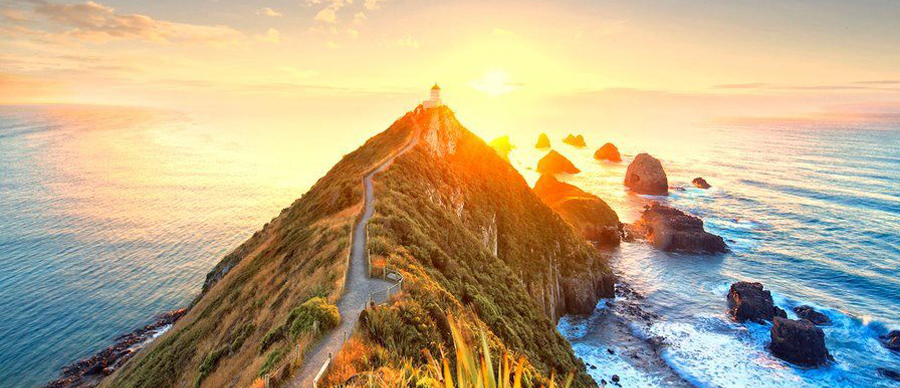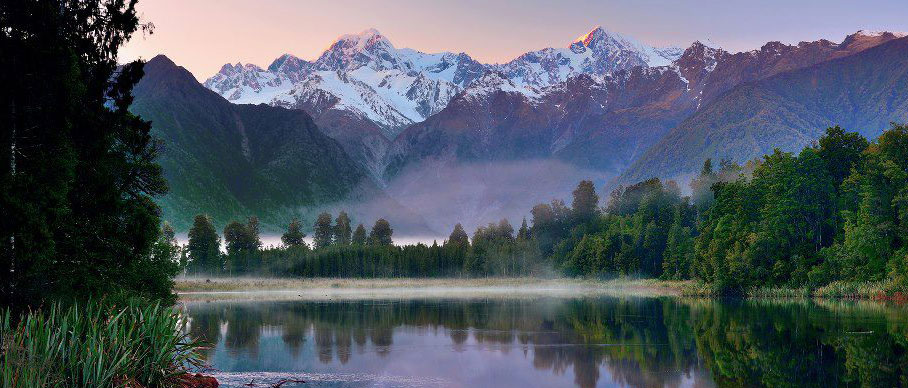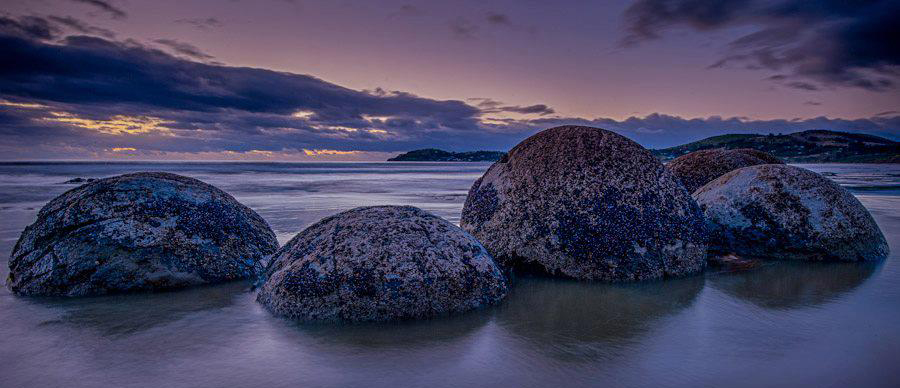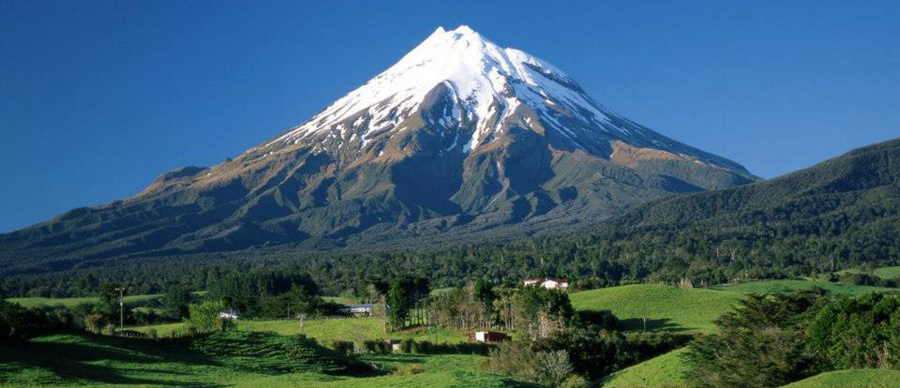
"Every person dreams of finding an enchanted place with beautiful mountains, breathtaking coastlines, clear lakes and amazing wildlife, but most people give up on it because they've never been to New Zealand." - Bill Clinton 1999
There are few places on earth where so much variety exists within such a small area.
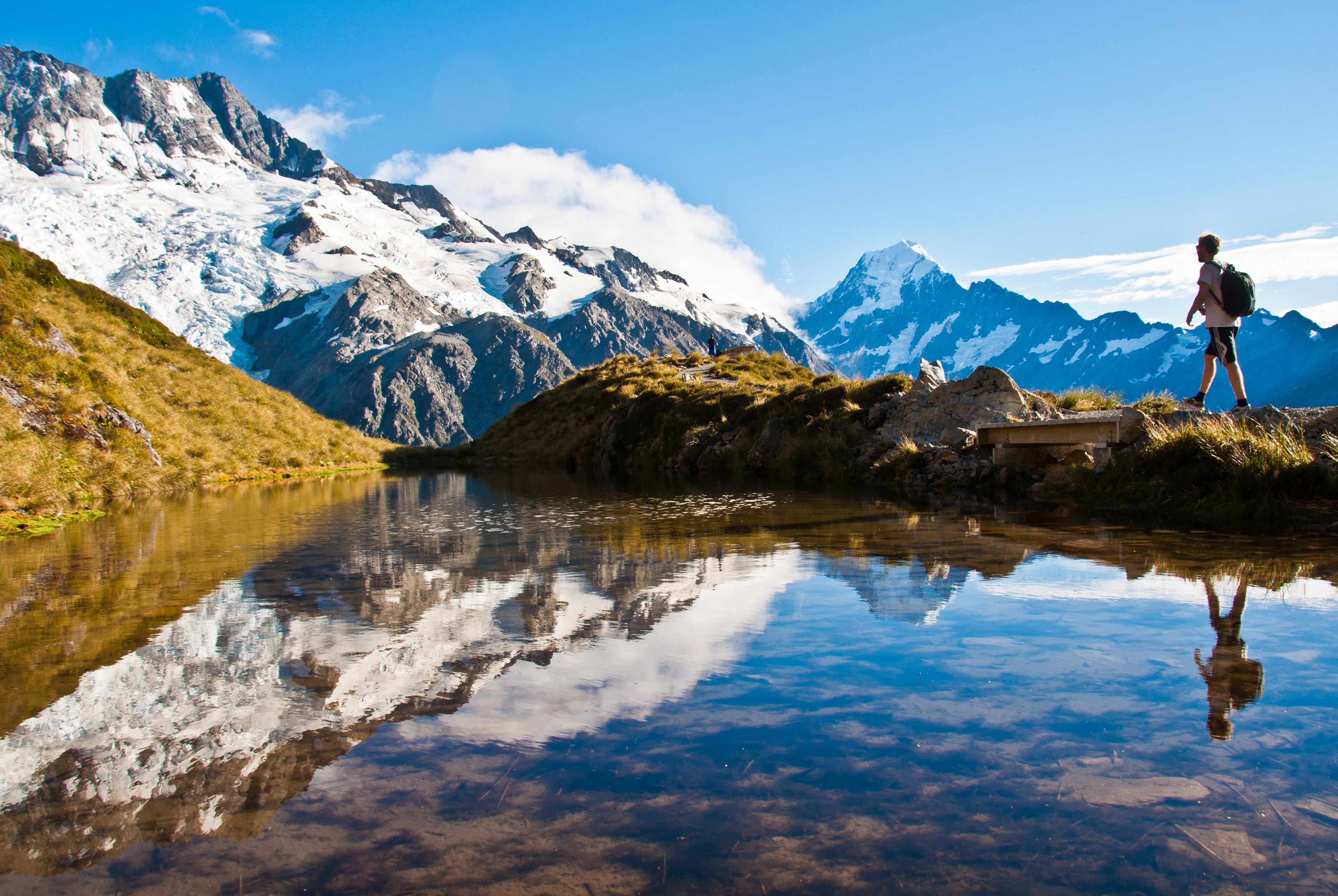
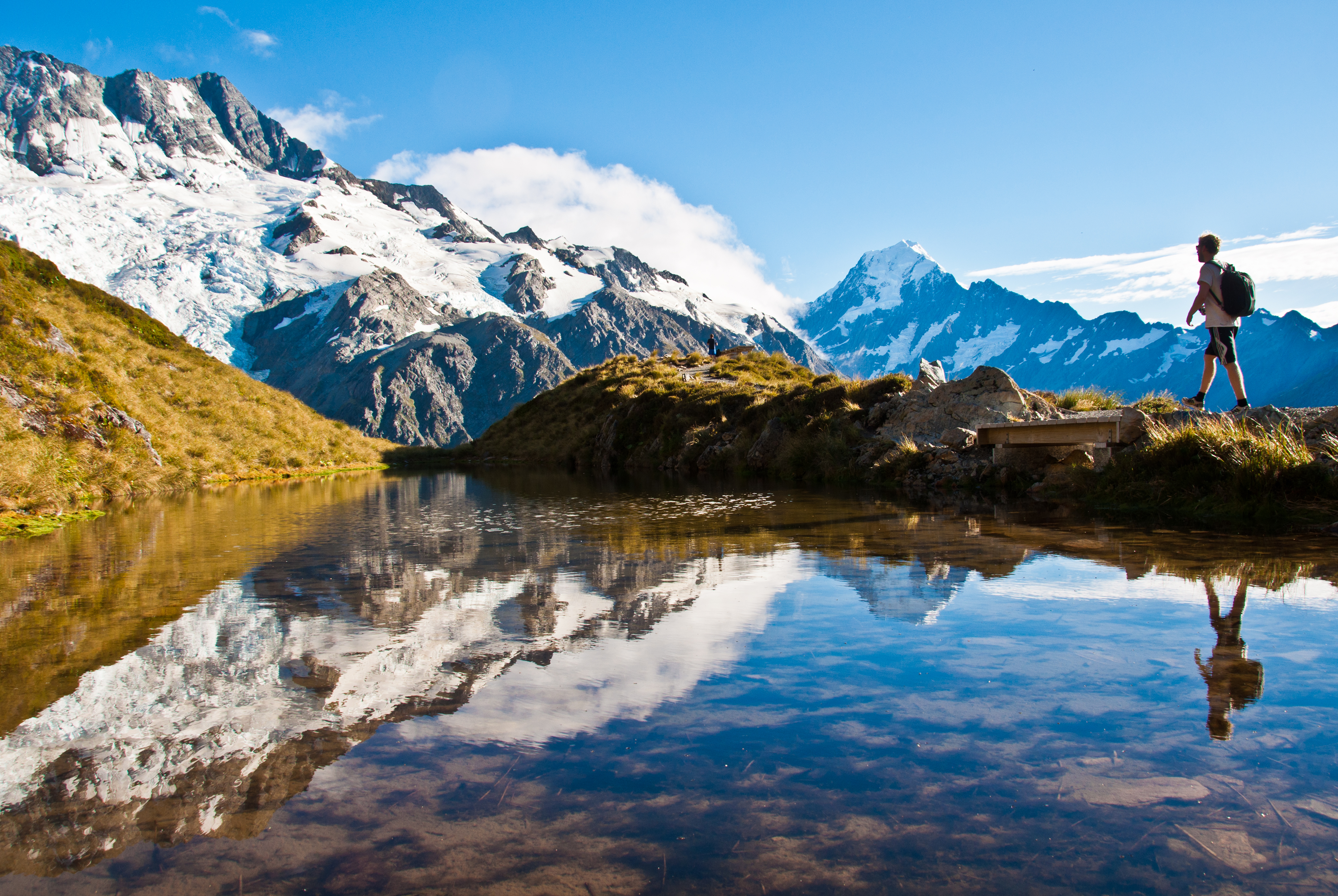
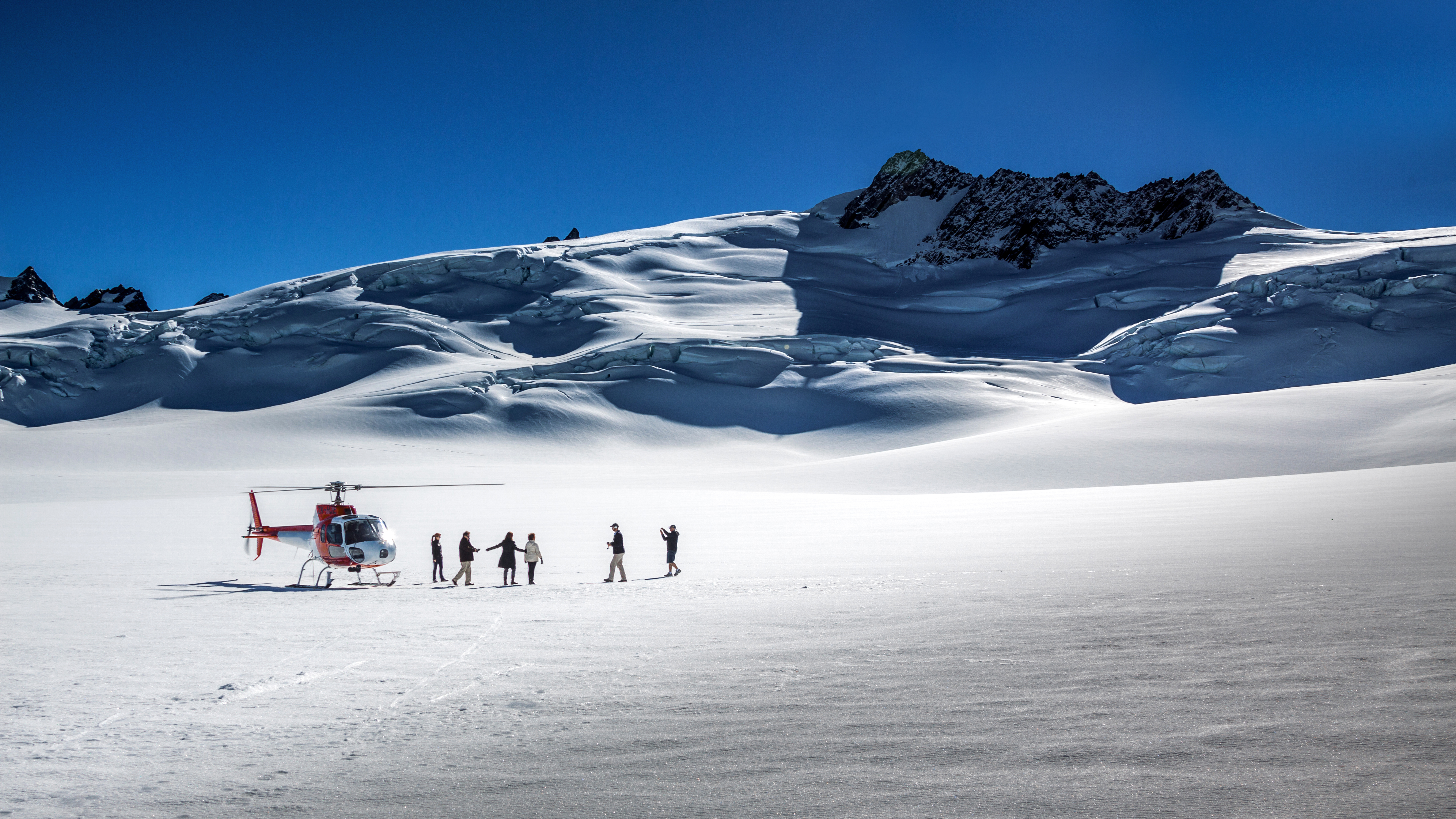
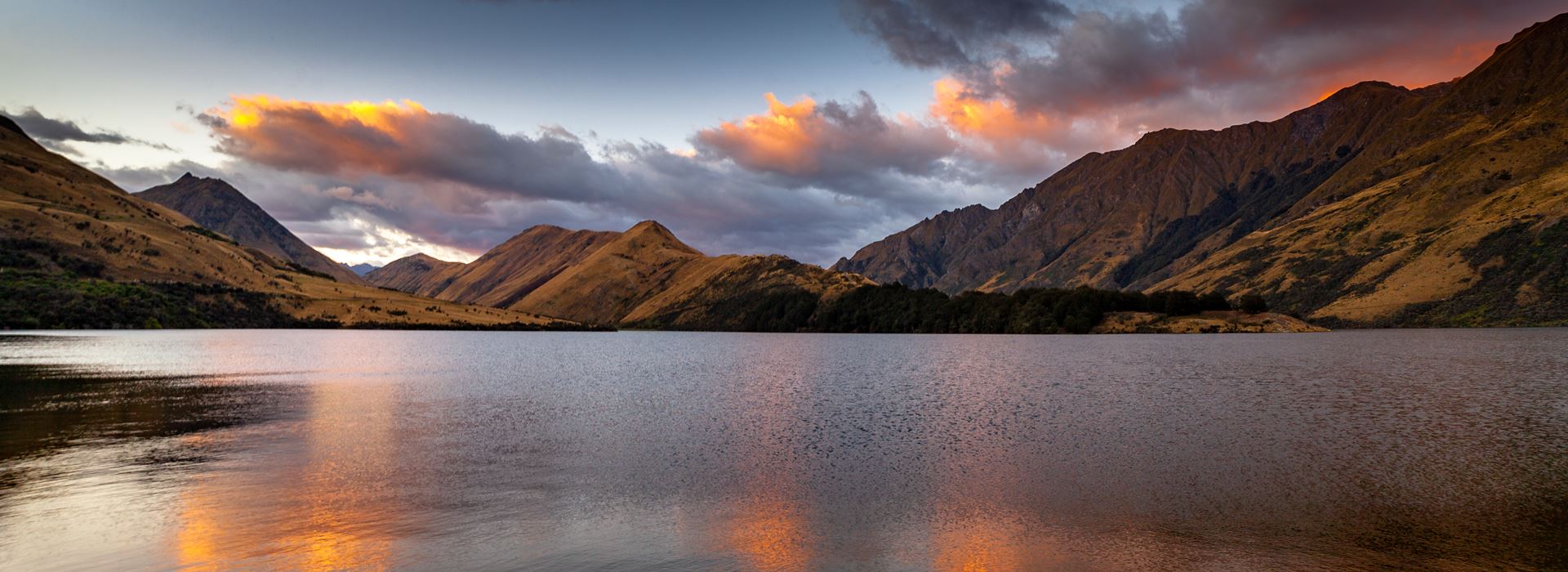
Snow-capped mountains rise above glacier-fed lakes. Ancient forests stretch towards wild coastlines. Active volcanoes sit alongside geothermal valleys where steam still escapes from the earth. Fiords carve deep into the landscape, while offshore islands shelter rare wildlife found nowhere else in the world.
Visitors often describe New Zealand as feeling larger than it is.
Perhaps that is because the country contains such an extraordinary diversity of landscapes. Within a single journey, it is possible to experience subtropical beaches, alpine wilderness, rolling farmland, volcanic plateaus and remote coastal regions, each with its own character and rhythm.
It is a country shaped by nature in its purest form.
A Land Millions of Years in the Making
The landscapes visitors experience today were not created overnight.
New Zealand separated from the ancient supercontinent Gondwana more than 80 million years ago and has spent much of its history evolving in isolation. Over millions of years, volcanic activity, tectonic movement, glaciers, rivers and the ocean have continually reshaped the land.
The result is a landscape that still feels alive.
The North Island sits within a region of active volcanic activity, home to geothermal areas, crater lakes and volcanic peaks. The South Island is dominated by the Southern Alps, where mountains rise dramatically from valleys carved by ancient glaciers.
Even today, the forces that shaped New Zealand continue to influence it. Mountains rise. Rivers change course. The landscape evolves.
An Island Nation Defined by Water
No point in New Zealand is more than a few hours from the coast.
The country is surrounded by more than 15,000 kilometres of coastline, ranging from golden beaches and sheltered bays to rugged cliffs and dramatic fiords. Rivers, lakes and waterfalls are woven throughout the landscape, creating an ever-present connection between land and water.
For many visitors, this abundance of water creates a feeling of openness and freedom.
Whether cruising through Milford Sound, walking beside Lake Wānaka or watching waves roll onto a remote beach, water is never far away.
A Place for Wildlife to Thrive
New Zealand's long isolation has created a natural world unlike anywhere else.
Before human arrival, there were no native land mammals apart from bats. Birds evolved to fill ecological roles found elsewhere in mammals, creating species that remain unique to New Zealand today.
The kiwi has become an international symbol of the country, but it is only one of many remarkable native species. Ancient forests, offshore islands and protected reserves provide sanctuary for rare birds, reptiles and marine life, many of which are found nowhere else on earth. Protecting these species remains one of New Zealand's most important responsibilities.
Protected for Future Generations
More than a third of New Zealand's land area is protected through national parks, conservation estates and reserves.
These protected areas preserve some of the country's most spectacular landscapes, from Fiordland and Aoraki Mount Cook to Abel Tasman and Tongariro National Park. They safeguard native wildlife, protect waterways and ensure future generations can continue to experience these places much as they are today.
For visitors, this means access to extraordinary natural environments that remain remarkably unspoiled. It is one of the reasons New Zealand feels different.
Why Preservation Matters
The landscapes of New Zealand are often described as pristine. The reality is that they remain beautiful because generations of people have worked to protect them.
Conservation is not simply about preserving scenery. It is about protecting ecosystems, native species, waterways and cultural connections that have existed for centuries. It is about recognising that these places are not ours to own, but ours to care for.
As travellers, we become part of that responsibility.
Choosing local operators, respecting wildlife, staying on marked trails and leaving places as we found them are small actions that collectively make a meaningful difference.
Travelling Through New Zealand Thoughtfully
One of the great privileges of visiting New Zealand is the opportunity to experience landscapes that still feel wild.
Places where birdsong replaces traffic noise. Where mountain valleys remain untouched by development. Where night skies reveal thousands of stars. Where coastlines stretch for kilometres without another person in sight.
These experiences are increasingly rare in the modern world. They are also worth protecting.
At Aroha, we believe travel should leave a lasting impression on the traveller, not on the landscape itself. The goal is simple: to experience New Zealand deeply, respectfully and thoughtfully, ensuring these remarkable places remain just as inspiring for those who arrive after us.
Because while the landscapes may be ancient, their future depends on the choices we make today.